Fast Actions You Can Take When Your Heating or Cooling System Stops Working
If your system suddenly stops heating or cooling, you need to act fast. Emergency HVAC Repair starts with simple checks like your thermostat, air filter, and circuit breaker. Then you look for signs like strange sounds, weak airflow, or leaks. Some problems have quick fixes. Others need a trained technician right away. Taking the right steps can help protect your home and get your comfort back sooner.
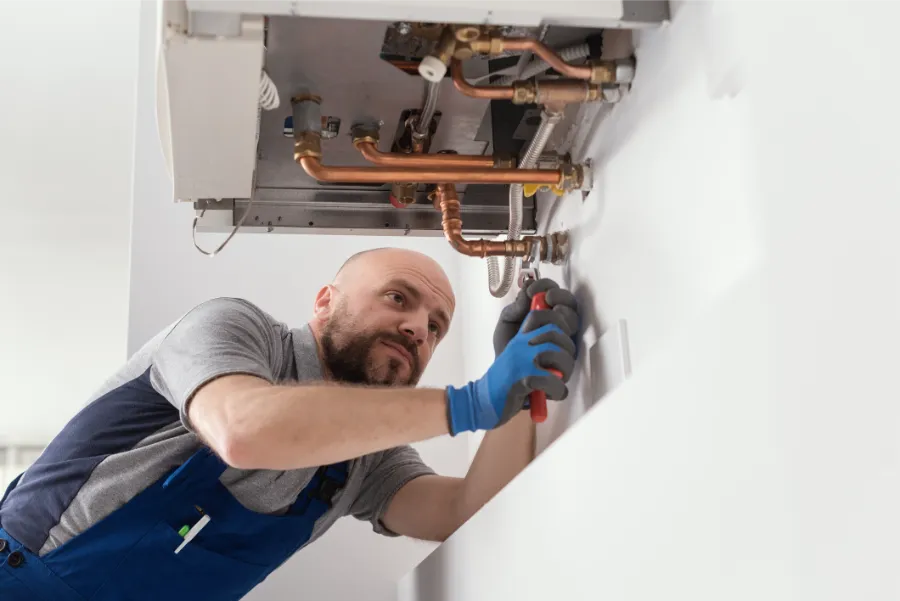
What You Need Before You Start
Before you touch your system, gather a few basic items. You do not need special tools for the first checks. Keep things simple and safe.
- Flashlight
- New air filter
- Fresh thermostat batteries
- Phone to take pictures of wiring or damage
- Owner’s manual if you have it
Always turn off power to the unit before opening panels. This helps prevent shock or damage. If you smell gas or burning, leave the house and call for help right away.
Step-by-Step Emergency HVAC Repair Process
Follow these steps in order. Many system failures are caused by small issues.
- Check the thermostat. Make sure it is set to heat or cool. Replace the batteries if the screen is blank. Lower or raise the setting by five degrees to test it.
- Check the circuit breaker. Go to your electrical panel. Look for a tripped breaker labeled HVAC, furnace, or AC. Reset it once if needed.
- Inspect the air filter. A dirty filter blocks airflow. If it looks clogged or gray, replace it with a clean one.
- Look at the outdoor unit. Clear away leaves, dirt, or debris. Make sure nothing blocks the fan.
- Listen for strange sounds. Banging, grinding, or squealing often means a worn part.
- Check for water leaks. A clogged drain line can shut down the system. If you see standing water, turn the unit off.
After each step, turn the system back on and test it. If it starts working, monitor it for the next few hours.
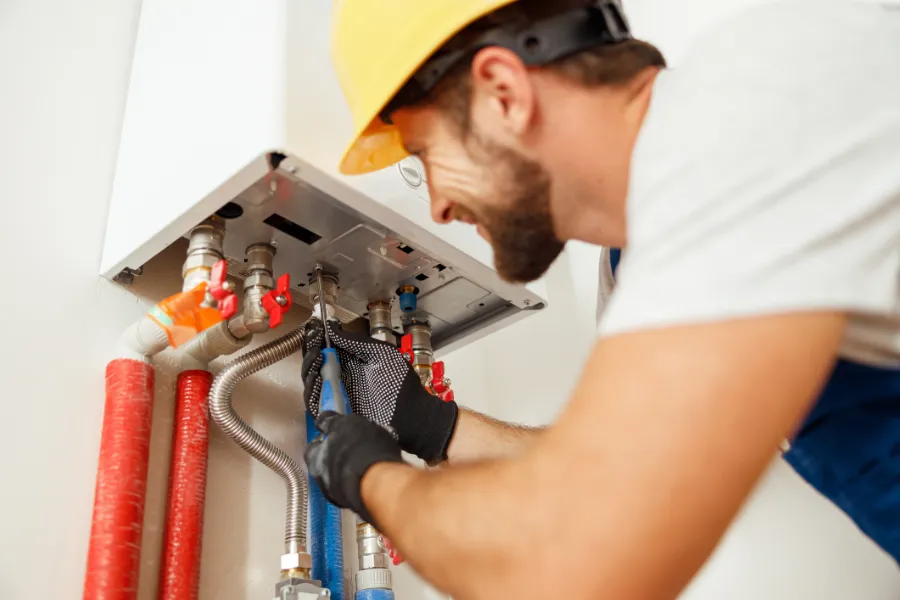
Common Mistakes to Avoid
In an emergency, many homeowners rush. That can lead to bigger repairs later.
- Do not keep resetting the breaker over and over.
- Do not ignore burning smells.
- Do not run the system without a filter.
- Do not open sealed motor or compressor parts.
- Do not try to fix gas lines yourself.
Emergency HVAC Repair should focus on safe checks first. Complex repairs need tools and training. Trying to replace major parts on your own can void warranties and cause more damage.
When to Call a Professional
Some signs mean you need expert help right away.
- No air at all from vents
- Warm air blowing during cooling mode
- Cold air during heating mode
- Strong electrical or burning smell
- Ice forming on coils
- System turns on and off every few minutes
These problems often involve electrical issues, refrigerant leaks, or failing motors. A trained technician can test voltage, check refrigerant levels, and inspect internal components safely. Fast action can prevent full system failure.
How Emergency Service Protects Your Home
Quick emergency HVAC repair does more than restore comfort. It also protects your house. Extreme heat can damage floors, walls, and electronics. Extreme cold can freeze pipes. High humidity can lead to mold growth. Acting quickly lowers these risks.
Emergency technicians also check the full system, not just the obvious issue. They may spot worn belts, weak capacitors, or airflow problems before they cause another breakdown. That saves money and stress later.
Final Recommendation
If your heating or cooling system stops working in Pleasanton, CA, fast help matters. At Airteks Service Experts, we respond quickly and bring the tools needed for safe and accurate repairs. Our team handles emergency calls for homes of all sizes. Call us at (925) 344-6267 to schedule service and let us restore comfort to your home as soon as possible.