Act Fast to Limit Damage and Find the Source of the Leak
If your boiler starts leaking water, turn off the power, shut off the water supply, and look for the source of the leak right away. A leaking boiler can cause water damage, mold growth, and even system failure. Some leaks are small and easy to fix. Others mean you need professional boiler repair as soon as possible.
Common Signs Your Boiler Has a Leak
Water around your boiler is the most obvious sign. But leaks can also show up in other ways. You might notice:
- Puddles or damp spots near the unit
- Dripping sounds inside the boiler
- Low water pressure on the gauge
- Radiators not heating evenly
- A sudden drop in system performance
Even a small drip can turn into a bigger issue. It is best to act early before the damage spreads.
Possible Causes of a Leaking Boiler
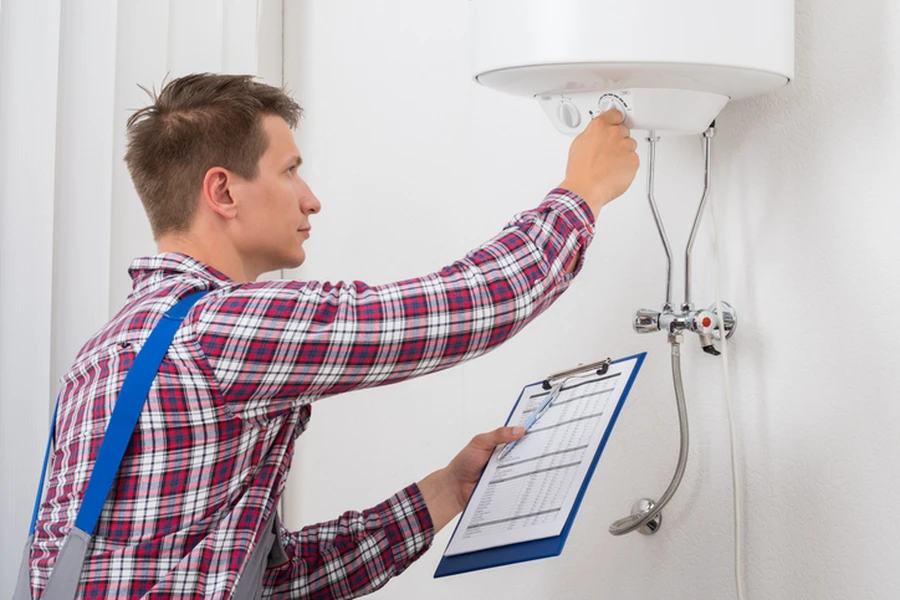
Boilers can leak for many reasons. Some are simple. Others point to worn parts inside the system.
Here are common causes:
- Loose connections: Fittings and joints can loosen over time.
- Broken seals: Internal seals can crack from heat and age.
- Corrosion: Rust can eat through pipes or the tank.
- Faulty pressure valve: High pressure can force water out.
- Cracked heat exchanger: This is a serious internal failure.
Older systems are more likely to develop rust and worn parts. Newer systems can still leak if water pressure gets too high.
What to Check First
Before calling for boiler repair, do a few quick checks. Always turn off the power to the boiler first. Let it cool down if it is hot.
- Look under the unit with a flashlight.
- Check all visible pipe joints and fittings.
- Watch for active dripping or spraying water.
- Check the pressure gauge. Normal pressure is usually between 1 and 2 bars.
- Inspect the pressure relief valve pipe for steady dripping.
If the leak is coming from a loose joint, you may see water forming around a connection point. If it is coming from inside the unit, you may need a trained technician.
Safe Fixes Vs. Professional-Level Repairs
Some small problems are safe to address. Others should be handled by a licensed pro.
Safe steps you can try:
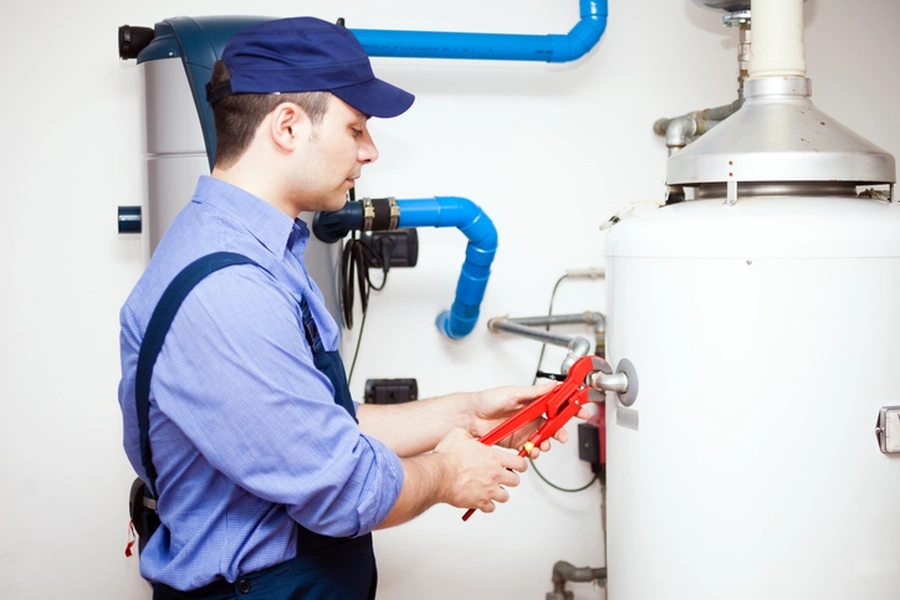
- Tighten a loose pipe fitting gently with a wrench.
- Lower boiler pressure by bleeding a radiator.
- Place a bucket under a slow drip to prevent damage.
These steps may slow or stop a minor leak. But they do not fix deeper mechanical problems.
Call for professional boiler repair if:
- The leak is inside the boiler casing.
- You see rust or corrosion on the tank.
- The pressure relief valve keeps dripping.
- The heat exchanger may be cracked.
- The leak continues after tightening fittings.
A cracked heat exchanger or corroded tank often means the boiler needs major repair or even replacement. Trying to handle these issues yourself can make things worse.
How to Prevent Future Boiler Leaks
Routine care can help prevent leaking problems in the first place. A heating system works hard during cold months. Regular upkeep keeps parts from wearing out too fast.
- Schedule yearly inspections.
- Check pressure levels once a month.
- Bleed radiators when needed.
- Watch for early rust or corrosion.
- Fix small drips before they grow.
Annual service helps spot weak seals, worn valves, and pressure problems early. Simple maintenance can extend the life of your system and reduce the chance of sudden breakdowns.
When to Call for Help in Pleasanton, CA
If water is pooling quickly or the boiler shuts down, get expert help right away. A leak tied to internal components usually calls for professional boiler repair. Fast action protects your floors, walls, and heating system.
At Airteks Service Experts, we handle leaking boilers safely and efficiently. Our team serves homeowners throughout Pleasanton, CA. We inspect the system, explain the problem in plain terms, and recommend the right fix. Call us at (925) 344-6267 to schedule service and stop the leak before it causes more damage.